With this very captivating title, during his lecture on 9 May 2026, Dylan Bickerstaffe led us into varied aspects of the topic: from discussions about the definition of a harem, its roles and functions throughout ancient Egypt’s history straight into harem conspiracies. The large audience learned that harem women were very respected for their skills as singers, musicians and dancers.
During the reign of Nefertiti, for instance, a harem was part of the household where women served their queen. As part of their duties, these women brought up royal children, nursed them, educated them and were very valued.
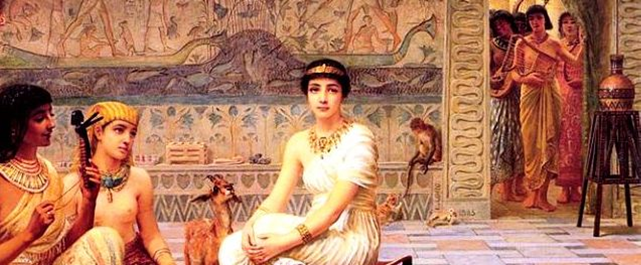
Not only were the harem women important, but also the harem overseers. During the Amarna period, there is evidence that the king as well as the king’s great wife Nefertiti employed an overseer to look after the harem. In the tale of Sinuhe, who was the royal harem official, royal children wrote messages to him and greeted him with musical instruments.
In the lecture, the audience also found out, that during the reign of Amenhotep III, at least 30 members of the royal harem were buried in the royal tomb in the valley of the Kings, in KV 40. These highly valued members were even pointed out on the canopic jar inscriptions!
Mr Bickerstaffe pointed out that some researchers claim that a harem was more like a workshop for weaving which was highly unlikely. This was also discussed after the lecture with many other questions.
However, where did the women come from and what was their background? Interestingly, the harem also consisted of young royal females from foreign regions but also from other areas of Egypt. The role of many women in a harem was seen as companions, friends and lesser wives for the king to produce an heir.
The question of succession after a pharaoh’s death sometimes led to rivalries and assassination plots, like the one against Ramesses III where many harem members ended up in court.
The talk was very inspirational and eye-opening because of its rich visual resources and the vast amount of knowledge and examples Dylan Bickerstaffe presented. The listeners were left with a deeper understanding and larger variety of functions and roles of harems at different times in ancient Egypt.
Thank you, Dylan Bickerstaffe, for a great afternoon.
Dylan Bickerstaffe is an Egyptologist, lecturer and writer. He has appeared on National Geographic TV and Channel 5 and has been published in various national and international journals and magazines. He also leads tours to Egypt and contributes to conferences in the UK and in Egypt.
Christiane Cartwright
Views: 21